Last summer, the accident I had while on vacation in New York City, along with the pandemic, curtailed most of my physical activities for the summer. On weekends when I couldn’t do much else, I sat on the back porch watching our yard and the wooded area behind our house that is home to a variety of animals.
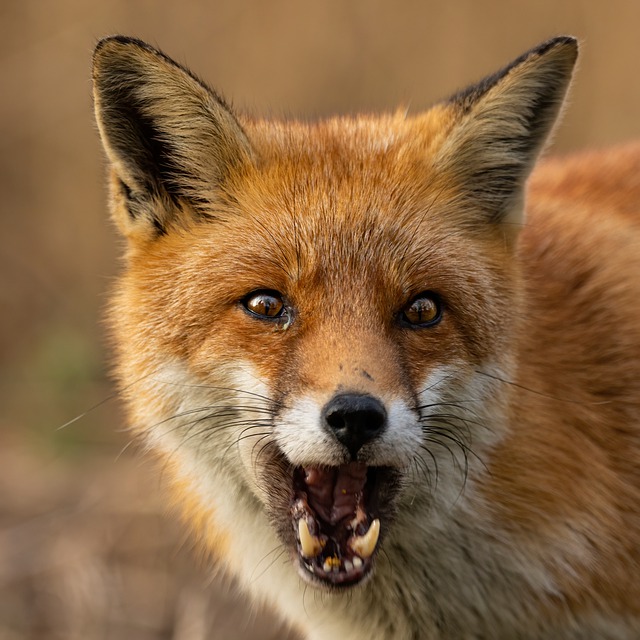
One day, as I sat with my fractured ankle propped up, a baby groundhog waddled out to lunch on the grass. Soon, a red fox showed up with the goal of dining on the little creature. When the fox approached from the front, the little guy lunged forward in defense. The fox backed off, then charged from the side. The groundhog broke free, and the fox regrouped and tried again. About the third time, the fox had the groundhog pinned by the neck, and I thought the baby was a goner, so I stood up and shouted. Now, I have nothing against foxes, but I was happy when the startled fox released it’s hold and looked up, giving the baby time to scurry off, hiding itself in a crevice in the rock wall separating our yard from the woods.
After the groundhog escaped, the fox circled around, climbed up on the wall, and alternated between looking down at the crevice into which the escapee had disappeared, then looking up to give me the evil eye. After about 40 minutes of waiting, he slunk off into the woods, disappointed, I’m sure.
I think about that incident and the fact that I upset the balance of nature. In the book Cry of the Kalahari, which I wrote about in the January 20 issue of our newsletter, authors Delia and Mark Owens had to watch many upsetting struggles between, and among species, without interfering, in order to preserve the integrity of their scientific observation.
But I am not a scientist, and I couldn’t bear to see that little creature become fox fodder, especially in our back yard.
In nature, even among humans, the stronger often prey on the weaker. Sometimes, for the sake of humanity, it’s important for “uninvolved bystanders” to step in and say, “enough.”
The key challenge — for individuals, leaders, and governments– is finding the judicious, finite balance between when there’s moral obligation to step in, and when it is not their business to be involved.
Published in the June 23 issue of Beyond the Nest
 Out on a Limb